

Building a Brighter Future for Bees and People
Our rooftop hives connect buildings with pollinator’s mission, engaging your tenants, supporting biodiversity, and strengthening your ESG strategy in one integrated solution.
Choose the solution that aligns better to your company’s needs
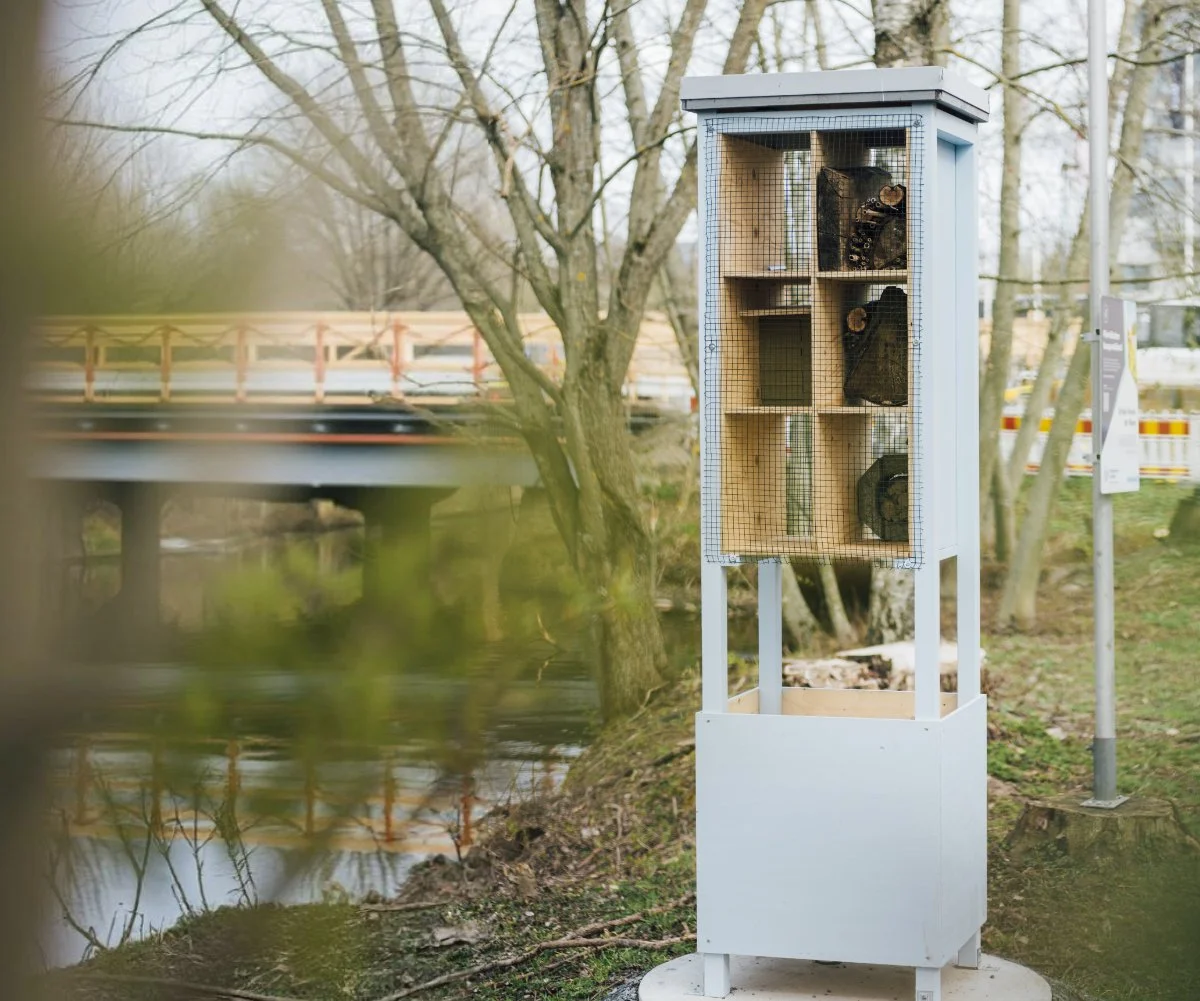
Wild Bees
Short description about the service
Key features:
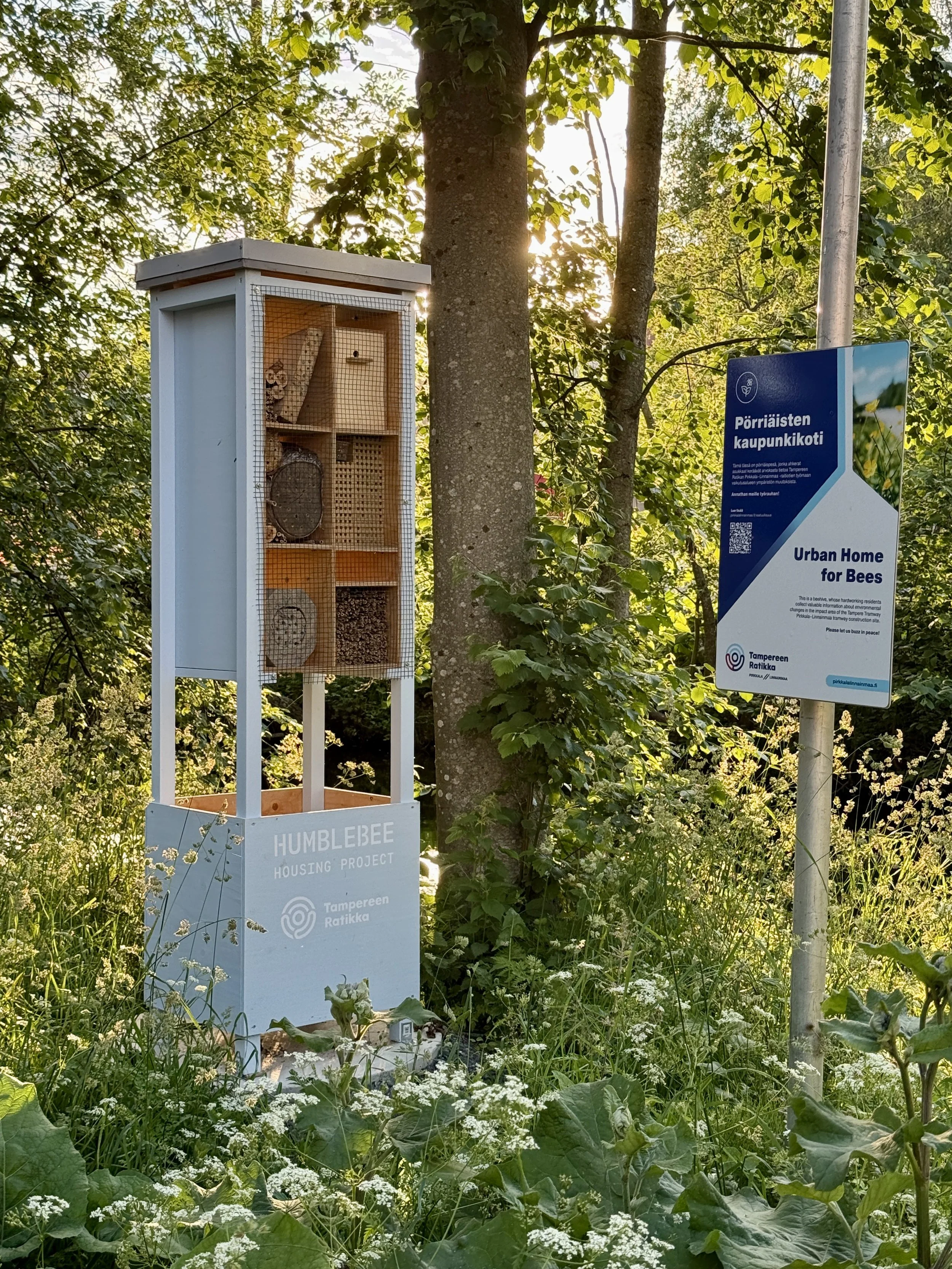
1 wild bees hotel cared for by a professional beekeeper
1 event
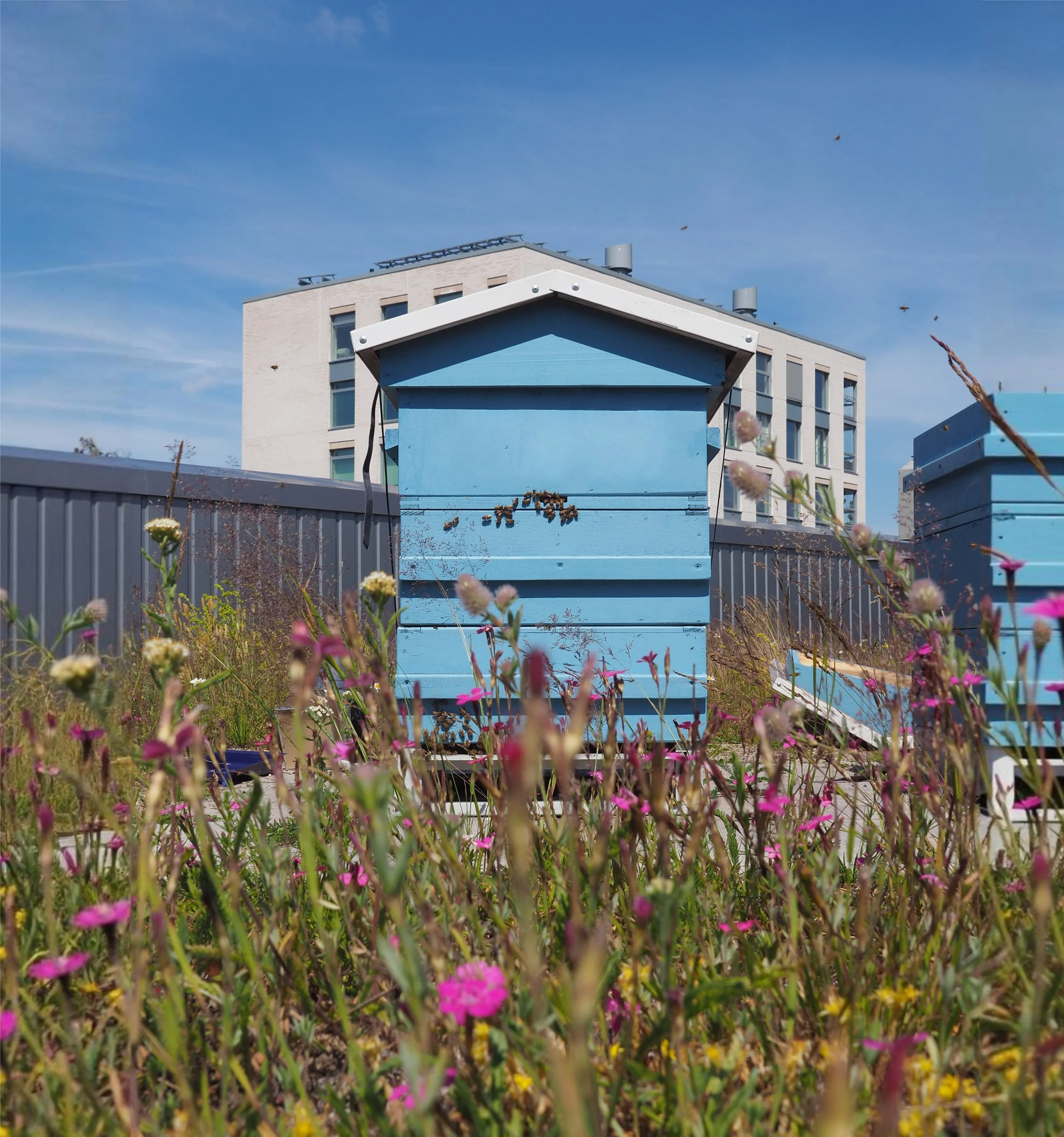
Honey Bees
Short description about the service
Key features:
1 honey bees hive, cared for by a professional beekeeper
1 event
100 honey jars from your beehive
Impact report

Research Bees
Short description about the service
Key features:
1 honey bees hive and 1 wild bees hotel, cared for by a professional beekeeper
2 events
Environmental analysis
100 honey jars from your beehive
Impact and Biodiversity report
Compare our service features
| Wild Bees | Honey Bees | Research Bees | |
|---|---|---|---|
| Honey bees hive with own logo | ○ | ● | ● |
| Wild bees hive | ● | ○ | ● |
| MyHive webpage | ● | ● | ● |
| Communication material | ● | ● | ● |
| Products | 100 seed bags | 100 honey jars | 100 honey jars |
| Activities | 1 | 1 | 2 |
| Impact report | ○ | ● | ● |
| Sampling for research use | ○ | ● | ● |
| eDNA analysis + flower profiles | ○ | ○ | ● |
| Biodiversity report | ○ | ○ | ● |
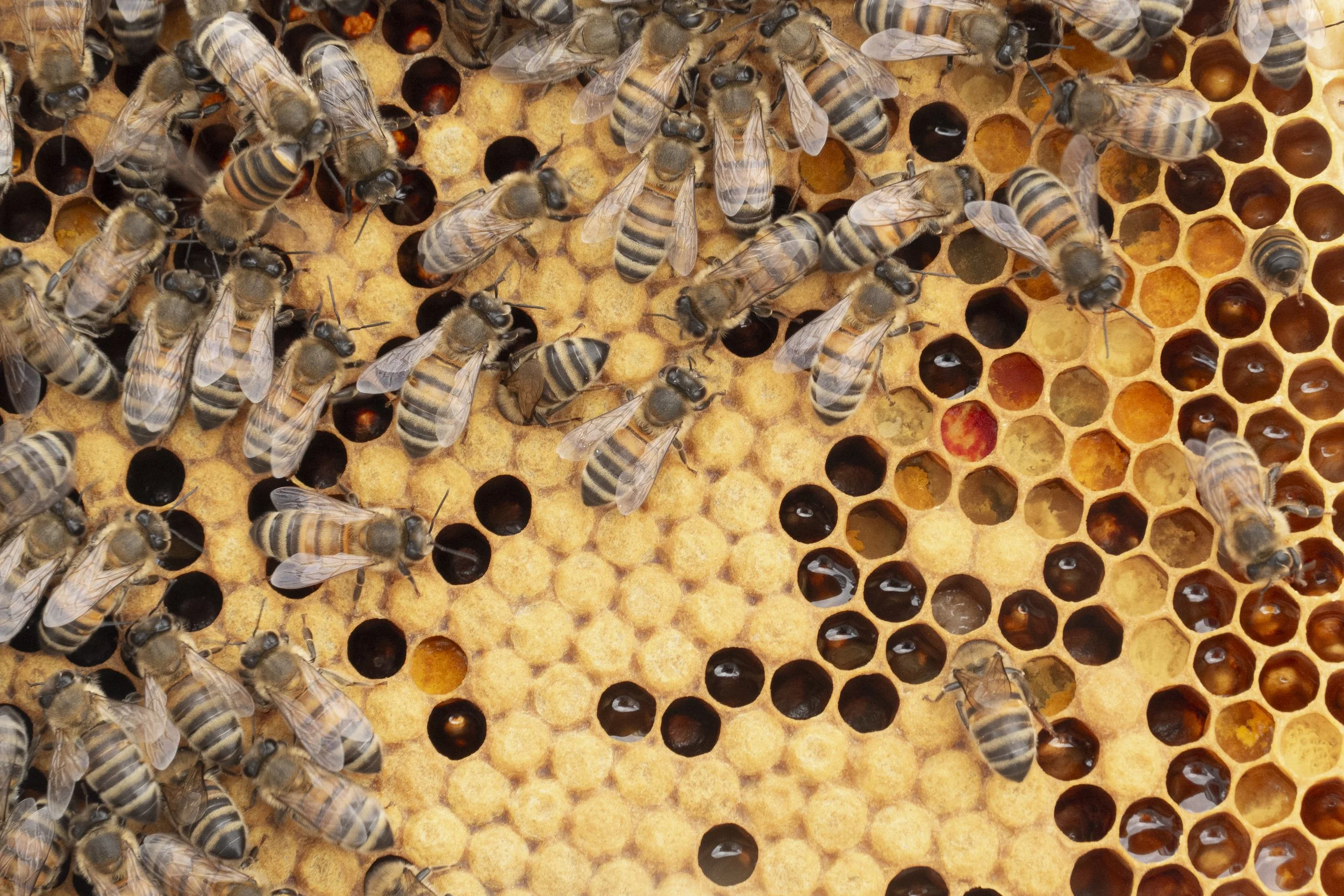
Benefits of hosting beehives on your property
Tenant
engagement
Create connection, fun experiences, and learning in your building through seasonal beekeeping workshops, updates and delicious honey from your own beehives.
Biodiversity Monitoring
Track the unseen. Our research hives collect honey for eDNA analysis, offering biodiversity insights to understand your enviroment more deeply, and also to report and act on to improve it.
Sustainability reporting
Strengthen your ESG portfolio with visible, nature-based action. Our solutions could help you meet certifications and communicate your impact trhough tangible projects.
How it works
-
![Black and white icon of checked lines.]()
1 - Choose your hive plan
We help you select the best fit based on your goals and space.
-
![Black and white icon of a beehive.]()
2 - Installation & activation
Our beekeepers set everything up and guide you through what to expect.
-
![Black and white icon of a beekeeper surrounded by bees.]()
3 - Monthly visits & data collection
We care for the bees and track biodiversity, hive health and/or livestream data (if included)
-
![A black and white icon of a bee in a heart.]()
4 - Engage your community
You will receive seasonal updates, photos, workshops, and educational materials.
-
![A black and white icon of a bee on a laptop screen.]()
5- Get your impact report
Receive insights, biodiversity data (if applicable), and shareable highlights.
-
![A black and white icon of a honey pot.]()
6 - Time for sweet honey
Receive personalized jars of raw, unfiltered honey – perfect for gifts or showcasing your commitment to sustainability.






Why Urban Beekeeping Matters?



Urban honeybees act as essential ambassadors to their wild cousins
Bees are helping researchers to study urban biodiversity
Rooftop beehives provide pollination services for urban agriculture
Urban honey engage people into the world of bees in a captivating way
From our clients
-
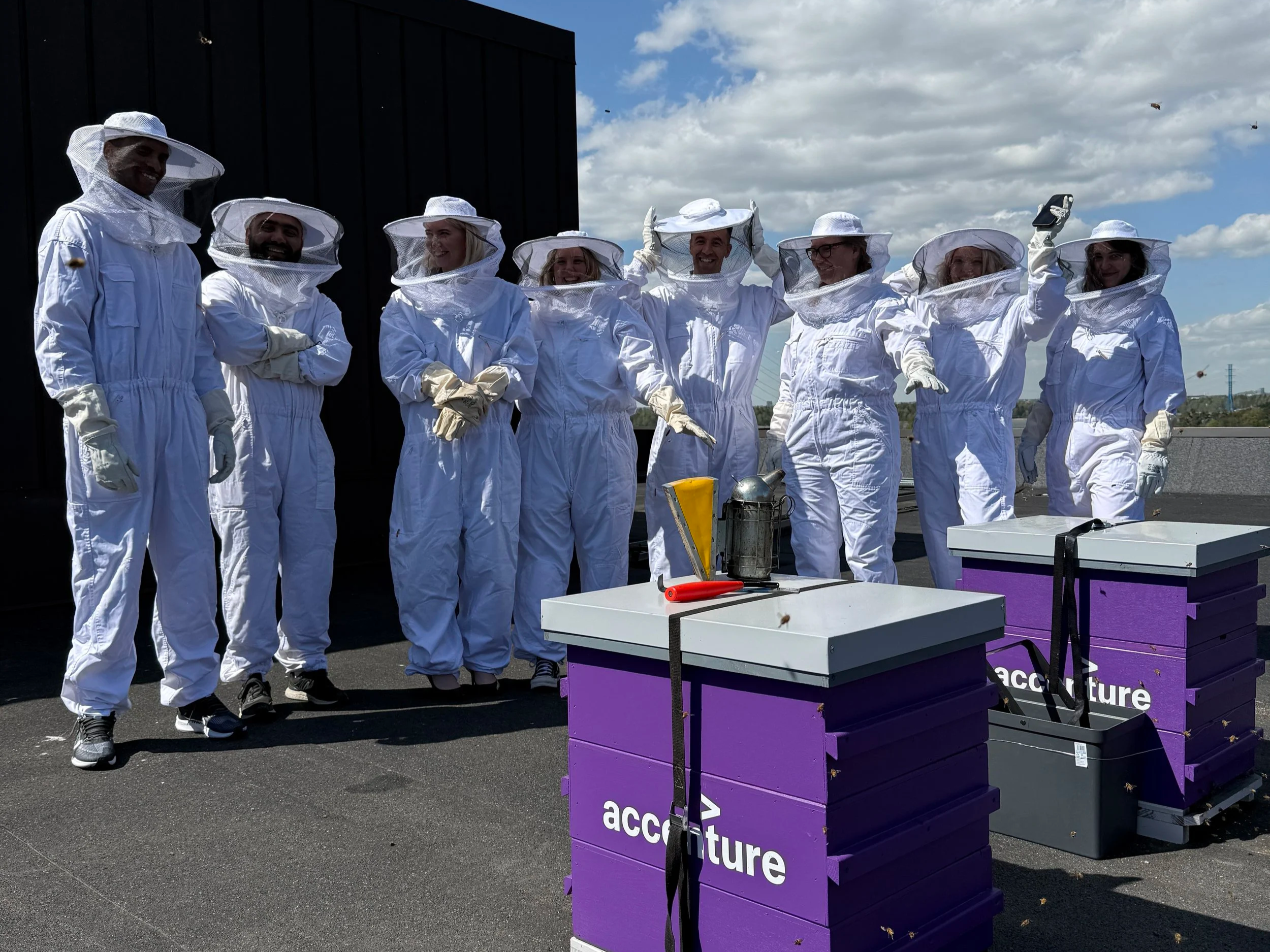
![Group of ten people in white beekeeping suits and hats with veils, standing on a rooftop with beekeeping equipment and purple beekeeping boxes labeled 'acenture', under a partly cloudy sky.]()
Lorem ipsum dolor sit amet
Matti Meikalainen - Accenture marketing manager
-
![]()
Lorem ipsum dolor sit amet quidquam ac nost
Matti Meikalainen - Duo marketing manager
-
![Three people in white bee suits working with beehives labeled 'Helsinki' outdoors on a sunny day, with a modern apartment building in the background.]()
Lorem ipsum dolor sit amet quidquam ac nost
Matti Meikalainen - Kymp marketing manager
-
![A beekeeper in white protective suit and veil tending to beehives labeled 'COLUMBUS KAUPPAKESKUS' on a rooftop with high-rise buildings in the background during cloudy weather.]()
Lorem ipsum dolor sit amet quidquam ac nost
Matti Meikalainen - Columbus marketing manager

Questions & Answers
-
Honeybees are vital pollinators, responsible for pollinating about one-third of the foods we consume, including fruits, vegetables, and nuts. Their pollination activities also support biodiversity by helping wild plants reproduce, contributing to healthy ecosystems.
-
Beehive care and maintenance: Maintaining healthy beehives, equipment, and sustainable beekeeping practices.
Research data: We collect samples from the beehives that help us better understand pollinators and their needs.
Pollinator-friendly habitats: Protecting green areas, and responsible placement of hives.
Education and engagement: Creating materials, hive updates, and organizing workshops for schools, communities, and businesses.
Sustainability and growth: Responsible placement of hives and expanding our operations so that more and more companies and private individuals can support pollinators.
Every hive directly contributes to real biodiversity results.
-
Honeybees face several threats, including habitat loss due to urbanization and agricultural expansion, pesticide exposure that can weaken or kill them, diseases and parasites (like Varroa mites), and climate change, which affects their foraging patterns and habitat.
-
Yes, honeybees can be kept in urban areas, and many cities encourage beekeeping as a sustainable practice. However, it’s important to check local regulations and obtain necessary permits. Proper management practices, such as ensuring adequate food sources and maintaining hive health, are essential for successful urban beekeeping.
-
In our own research, we have observed that bumblebees, red mason bees, and honey bees prefer the blossoms of different plants and thus do not compete for the same food. We also keep our honey bee colonies small to avoid a competitive situation.
-
HumbleBee Oy is a company specializing in urban beekeeping, whose goal is to develop nature-based solutions that support the biodiversity of the urban environment in collaboration with researchers and bees. In addition to a conventional beehive service, HumbleBee offers various environmental biodiversity and air quality analyses where bees act as critically important sample collectors. The current business is practically B2B service sales to owners of commercial and business properties. Customers pay an annual service fee for the beehive service at the beginning of each calendar year, and the majority of customers have multi-year contracts. Perhaps the most representative customer case is the employment pension company Elo, which has ordered the beehive service for seven commercial properties it owns and sees the beehives as a concrete way to implement its real estate investment responsibility strategy.